You deal with tight timelines and rising fares, so “last minute” means zero to six days before departure, and prices often climb inside that window.
Prices move because airlines use dynamic systems worldwide, which means you need data-driven tools and flexible routing to gain leverage fast.
This guide defines last-minute precisely, explains how pricing works in practical terms, and lays out the exact apps and tactics that surface workable fares when time is short.
What “Last Minute” Actually Means
Many travel brands treat “last minute” as booking zero to six days before departure. Prices frequently rise inside this window due to business demand and automated fare buckets.
Pricing Basics and the Apps That Give You Leverage
Guessing at fares wastes money and time; therefore, lean on data-driven tools that watch price swings for you and prompt fast action.
How Airlines Price Seats
Airlines use dynamic pricing worldwide, so the same seat sells at different prices based on demand, sales pace, competition, events, and seasonality.
Industry trackers reported average fares in early 2025 running about twelve percent above a year earlier, which explains tougher last-minute searches.
Tools that consistently help:
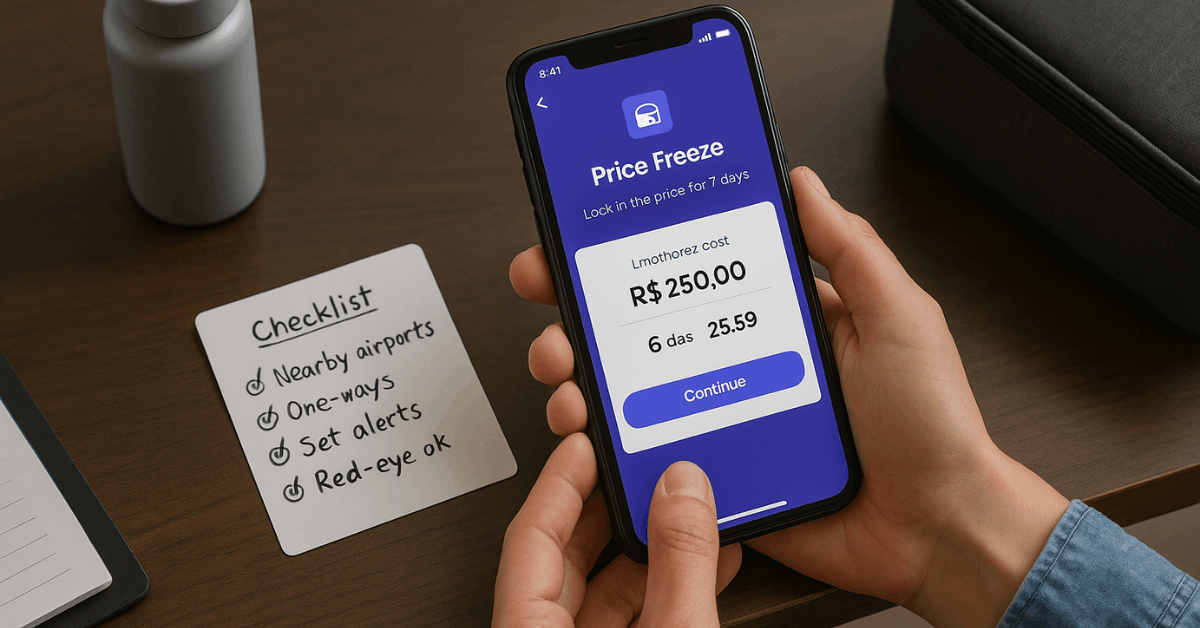
- Hopper: Uses a large historical price database to predict moves and offers Price Freeze for a limited time; you lock today’s fare and pay the difference only if it rises, while paying the lower amount if it falls.
- Going (formerly Scott’s Cheap Flights): Sends curated deal alerts worldwide; Premium and Elite tiers add aggressive economy and business-class finds.
- Google Flights: Delivers flexible calendars, trend-backed “price guarantee” badges on select routes, and email alerts for routes you track.
- Expedia: App-only Flight Deals surfaces options at least twenty percent below typical estimates for your home airport.
- Kayak: Color-coded flexible-dates grid, Price Forecast, and easy toggles for ±3 days or broader ranges.
- Skyscanner: Whole Month search highlights the cheapest days; Everywhere returns the best destinations for your dates and budget; nearby-airport search widens options.
Timing Tactics That Actually Move The Needle
Waiting for a magical hour rarely works; as a result, apply rules that reflect how fare systems behave close to departure.
Core tactics:
- Respect the 21-Day Rule: Many fare engines lift prices within 21, 14, and 7 days before departure. If your trip is within three weeks and no clear deal appears, lock in a reasonable fare.
- Target cheaper travel days: Flying on Thursdays often undercuts Sunday returns on many routes worldwide. Lower midweek demand can also create Tuesday or Wednesday purchase opportunities.
- Travel off-peak: Shoulder seasons and off-seasons reduce demand and hotel pressure. Summer in Europe and major holidays worldwide inflate prices; shifting to quieter weeks pays off.
- Consider holiday-day departures: Flying on the actual holiday (e.g., 25 December or 1 January) can trim costs compared with the days around it.
- Pick red-eyes when feasible: Overnight flights face softer demand on many routes, which keeps last-minute fares competitive.
Flexibility Plays: Airports, Destinations, And Routing
Rigid plans inflate costs, which means expanding your search radius and arrival options can unlock deals without sacrificing your itinerary.
Airports and cities:
- Check nearby airports on both ends: Large metros often have multiple fields with very different taxes, fees, and competition. Selecting “All airports” frequently surfaces double-digit savings.
- Use secondary or tertiary cities: Routing to Girona instead of Barcelona, Nuremberg instead of Munich, or Naples instead of Rome can cut costs while keeping you close to the action.
- Arrive somewhere close, then connect: Flying into Brussels instead of Paris or Milan instead of Venice can be markedly cheaper; a short rail leg finishes the trip.
Routing tricks:
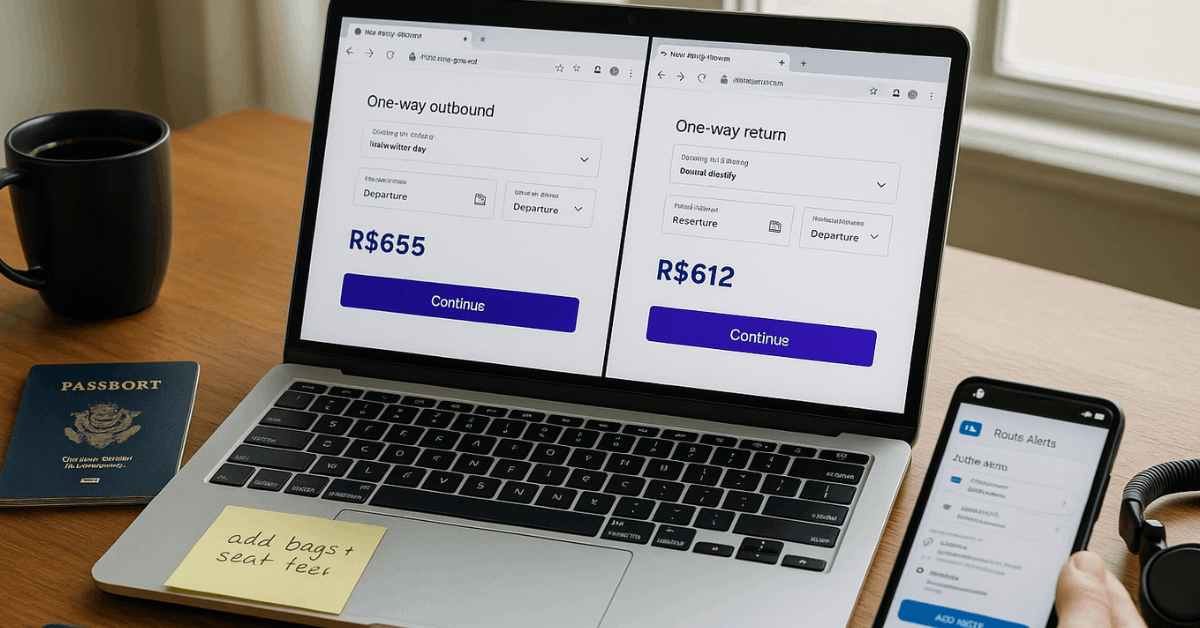
- Search one-ways and mix carriers: Stitching outbound and return on different airlines catches flash sales that a round-trip search can miss.
- Add a layover or a free stopover: One connection is often cheaper than nonstop; some airlines include multi-day stopovers without extra base fare.
- Consider Fifth Freedom flights: Carriers operating segments outside their home country sometimes post lower fares and open extra award space on busy corridors.
Use Change Policies, Points, And Credits To Your Advantage
Fear of post-purchase drops stalls decisions; in turn, flexible tickets and loyalty currencies give you a safety net.
Levers that reduce risk:
- Waived change fees on many fares: Book a good fare now and rebook if it falls; the difference typically returns as credit on the same airline.
- Last-minute award space: Unsold seats can appear as saver awards close-in. Search online, then chat or call if the inventory looks odd.
- General travel cards and co-branded options: Bank programs transfer to multiple airlines worldwide, while airline cards add fee waivers, priority perks, and occasional close-in award discounts.
Smart Search Habits That Cut Real Money
Manual tweaks beat blind loyalty to a single query; as a result, change how you search, not just where you search.
- Search for one seat first: Engine price groups at a single fare bucket. Finding a lower solo fare exposes availability you can split across tickets, then link reservations after purchase.
- Compare one-ways vs. round-trips: Domestic and short-haul international routes often price better as two one-ways, especially when a low-cost carrier covers one leg.
- Watch cabin mixes: If one segment shows only extra-legroom economy, round-trip pricing may jump; buying legs separately can avoid a forced cabin upcharge.
Hidden-City Booking: Know The Risks Before Trying It
Savings can appear when you end your trip at the connection city; that way, you sometimes beat a pricey nonstop.
Airlines prohibit this practice in many contracts and impose penalties for repeated use, including cancellation of onward segments, mileage confiscation, or account bans. Checked bags also make the tactic unworkable because they are tagged to the final ticketed destination.
Occasionally, one-way use with only a personal item reduces operational risk, yet policy exposure remains significant.
Upgrade Options When Cabins Look Empty
Hoping for a premium seat feels tempting late in the game; as a result, treat upgrades as opportunistic, not guaranteed.
- Upgrade auctions or offers: Some airlines invite bids or display discounted upgrade prices within 24–72 hours. Set a ceiling and stay content in your original seat if it does not clear.
- Polite counter asks: Agents sometimes have the discretion to sell discounted upgrades when cabins are light. A respectful request at check-in has a nonzero success rate.
A Fast, Repeatable Workflow for Last-Minute Deals
Stress drops when you run the same efficient playbook; therefore, follow this simple checklist across trips worldwide.
- Define the window and flexibility: Confirm dates, acceptable departure times, and nearby airports you are willing to use on both ends.
- Run a broad scan: Use Skyscanner “Everywhere,” Google Flights map, and Kayak Explore to spot undervalued city pairs within your date range.
- Narrow to three targets: Pick the best city pair plus two alternates; include secondary airports and a one-stop version.
- Turn on alerts: Set Google Flights, Kayak, Skyscanner, and Expedia notifications; add a Going alert for your home airport.
- Check Hopper’s call: If Hopper says “wait,” set a watch; if it says “buy,” consider Price Freeze if you need a decision cushion.
- Test one-way and carriers: Compare mixed-airline itineraries and verify total costs on low-cost carriers, including bags and seat fees.
- Book a flexible fare: Prioritize no-change-fee options when prices are close; reprice daily until departure in case a drop appears.
- Scan awards and upgrades: Search partner programs for late saver space and watch for upgrade emails or bid pages.
Conclusion
Lock the playbook and execute it consistently. Use flexible dates, nearby airports, and alerts to surface options, act on workable fares within twenty-one days, and lean on change policies or points for protection.
Keep scanning for price drops and upgrade offers until departure, and skip risky tactics that could jeopardize your account. Do this every time, and you keep costs under control even on short notice.