Cheap e-bikes only make sense when you cut costs in components and features, not in safety or legality.
Set a realistic budget, prioritize the few specs that affect daily riding, and shop channels that reliably discount models worldwide.
You keep value high by confirming battery certification, brake function, and warranty terms before chasing the lowest price.
What “Cheap” Really Means for E-Bikes
You lower the price by accepting trade-offs on components, features, or condition, not on safety or legality. Set a realistic budget, then prioritize the few specs that actually influence daily use.
- Price bands to expect: Budget new bikes often sit around entry levels, certified refurbs land below comparable new models, and used options vary widely based on battery age and mileage.
- Core trade-offs: Lower cost usually means heavier frames, hub motors instead of mid-drives, shorter range batteries, and simpler drivetrains.
- Non-negotiables: Battery safety certification, functioning brakes and lights, clear warranty or return terms, and compliance with local rules worldwide.
Where To Buy For Less, Worldwide
High prices push many shoppers away too soon; several channels routinely offer real savings, which means you can match your use case to the right marketplace.
Local Bike Shops (LBS)
You get fit help, test rides, and service. Savings appear during model-year changeovers, holiday promos, demo-unit sales, and shop-managed trade-ins.
Expect slightly higher sticker prices than online, balanced by better assembly, easier warranty handling, and lifetime tune-up packages in some stores.
Direct-To-Consumer Brands
Brands selling from their own websites reduce middleman costs, which can drop prices or add better components at the same price.
Open-box, refurbished, or last-year models often carry full or limited warranties. Plan for partial self-assembly and confirm who covers after-sales support in your country.
Certified Refurbished Outlets
Factory or authorized refurbishers replace wear parts and test batteries, then issue a warranty.
These units cost more than private-party used bikes but deliver predictable quality. Verify battery health, charger authenticity, and the exact warranty owner—brand or refurbisher.
Used Marketplaces And Classifieds
Local classifieds, community forums, and auction sites can yield the lowest prices.
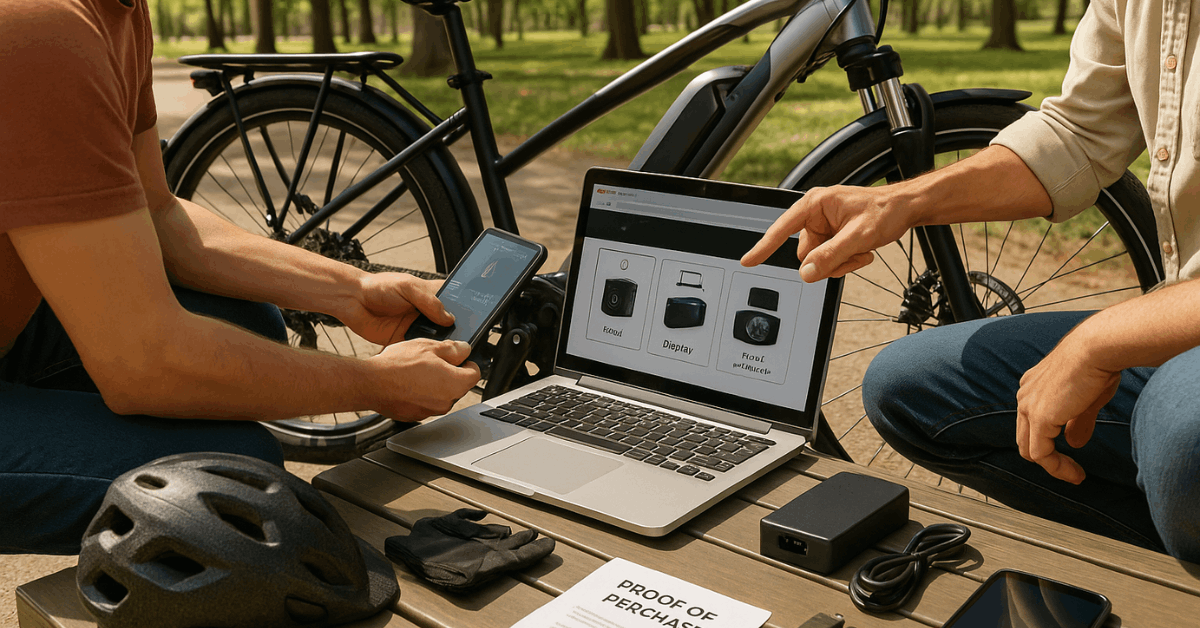
Protect yourself by checking the frame serial number against theft databases, confirming proof of purchase, inspecting the battery for swelling or damage, and demanding a proper test ride that includes hills and repeated braking.
Rental And Fleet Sell-Offs
Tour operators, delivery services, and corporate fleets sell in batches when refreshing inventory.
These bikes usually receive scheduled maintenance and may include spares. Inspect for cosmetic wear, drivetrain stretch, and battery cycle count, then negotiate for a bulk or accessory discount.
Police And Government Auctions
Unclaimed or confiscated bicycles occasionally appear at municipal auctions worldwide. Prices can be excellent, although bikes are sold “as is.”
Bring basic tools, check wheel trueness, verify brake function, and assume you may need a fresh battery or charger.
Big-Box And General Retailers
Prices look attractive, however quality control, assembly, and after-sales support vary.
If you choose this route, confirm certified batteries, ask for professional assembly, and budget for a bike-shop safety check after purchase.
Group Buys And Seasonal Timing
Communities and riding clubs sometimes coordinate group buys that secure better pricing.
Large discounts often appear during end-of-model-year periods, major shopping holidays, and late-winter clearances in colder regions.
What To Check Before You Pay
Rushed decisions cost more later; a focused inspection reduces surprises, in turn protecting your budget.
- Motor type: Hub-drive motors cut costs and suit flat commutes; mid-drives offer stronger climbing and better weight balance for touring and e-MTB use.
- Battery capacity and health: Compare watt-hours for range, ask for estimated cycle count, and check that the charger is original. Favor packs with reputable cells and a Battery Management System.
- Safety certification: Look for recognized marks such as UL, CE, or equivalent in your region. Certification reduces fire risk and helps with insurance acceptance.
- Brakes and drivetrain: Confirm rotor thickness, pad life, and straight rotors; shift through all gears under load to reveal skipping or worn cassettes.
- Wheels and tires: Spin each wheel to check for wobbles; inspect tires for sidewall cracks and puncture history.
- Electronics and display: Test every assistance level, walk-assist or throttle (where legal), lights, and any app connectivity.
- Fit and geometry: Ensure comfortable reach, stable handling, and stand-over clearance. An incorrect fit leads to more costly adjustments later.
- Warranty and returns: Clarify who honors the warranty—brand, retailer, or refurbisher—along with coverage length for battery and motor, and return shipping terms worldwide.
Legal And Classification Basics Worldwide
Rules differ across countries and even cities, so compliance protects you and your wallet.
Many regions use familiar classes: pedal-assist up to about 25 km/h, throttle-enabled models capped around 20 mph or 32 km/h, and faster “speed-pedelecs” up to 45 km/h that may require helmets, registration, or insurance.
Confirm speed limits, motor watt caps, and where you may ride—roads, bike lanes, or trails, before paying.
Best Places To Hunt Deals By Bike Type
Budget targets change based on how you ride; therefore, you should shop where each category turns over inventory fastest.
- Commuter: Prioritize integrated lights, rack mounts, fenders, and puncture-resistant tires. Search shop clearances and brand refurbs for previous-year city models.
- Cruiser: Look for upright geometry, wide saddles, and balloon tires. Scan used listings in coastal or resort towns where rental fleets rotate.
- Performance road: Weight and stiffness drive prices; bargains appear on last-year frames paired with current batteries. Verify that the assistance cut-off matches local limits.
- Mountain: Choose mid-drive torque, e-MTB assistance modes, and strong brakes. Hunt demo and rental sell-offs near trail centers; inspect suspension service records.
- Cargo: Check max gross weight ratings, long-tail or front-loader frames, and dual-battery options. Find savings through family upgrades and commercial fleet sales.
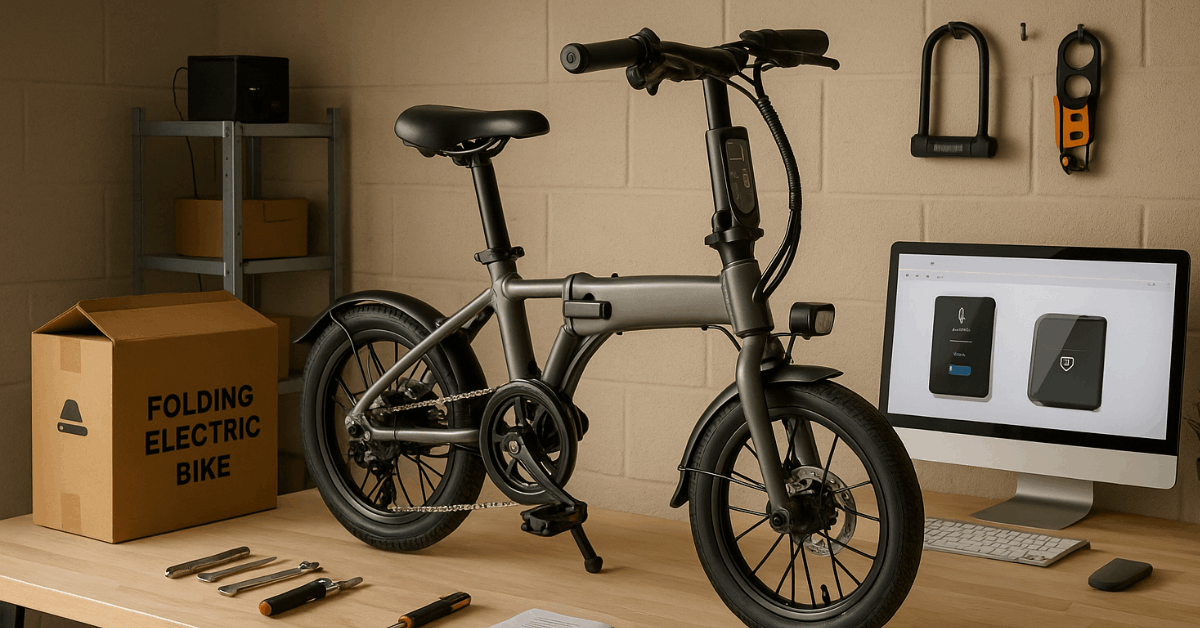
- Folding: Focus on hinge quality, latch safety, and total weight. Look for urban shop trade-ins and certified refurbs with fresh hinge bushings.
Quick Used-Bike Inspection Checklist
Hidden problems erase any savings; run this checklist during the meeting, that way you avoid buying a project.
- Confirm the serial number and seller identity; walk away if anything seems inconsistent.
- Check the battery for swelling, corrosion, odd odors, or heat after a short ride.
- Ride at each assist level and under no-assist; listen for grinding or clunks from the motor area.
- Brake hard several times; look for pulsing, squealing that persists, or lever bottoming.
- Shift through the full cassette under load; watch for chain skip or lag.
- Inspect frame welds and fork for cracks or paint lines that suggest stress.
- Plug in the charger to confirm proper connection and status lights.
- Negotiate a price that reflects any parts that require immediate replacement.
Safety And Charging Practices
Lithium-ion systems deserve respect, which means you should only purchase certified packs and charge them using the supplied adapter on a hard, non-flammable surface.
Do not leave charging unattended, avoid overnight charging, store at room temperature, and never use aftermarket batteries without recognized testing.
Replace damaged chargers or packs immediately and follow local battery recycling programs worldwide.
Smart Ways To Pay Without Overspending
Financing can bridge a small gap, yet interest charges erase discounts quickly. Compare layaway, “pay in four,” and promotional zero-interest offers, and read the total cost including fees, shipping, assembly, and the first tune-up.
Budget for essentials such as a helmet, sturdy lock, lights, and a basic repair kit.
Conclusion
Choose savings that do not compromise safety or legality. Set a realistic budget, match the bike to your terrain and use, and buy through channels that support you worldwide.
Verify certification, battery health, braking, fit, and a written warranty, then negotiate to reflect any parts that need replacement.
Charge correctly, register the serial number, and schedule a professional safety check, so your low-cost e-bike delivers reliable rides without surprise expenses.