Smart home hubs let you easily control all your connected devices from one central location. Buying a smart home hub online often costs significantly less than purchasing from physical stores. This guide will show you exactly where to find cheap, reliable, and high-quality smart home hubs.
Types of Smart Home Hubs
Smart home hubs come in different types, each with unique features and compatibility. Knowing the main types helps you pick the right hub for your devices.
- Amazon Echo / Alexa Hubs: Controls smart devices using Alexa voice commands.
- Google Nest Hubs: Works with Google Assistant and integrates with Google services.
- Samsung SmartThings Hub: Connects multiple smart devices across brands using Zigbee and Z-Wave.
- Apple HomePod / HomeKit Hubs: Best for Apple ecosystem users, integrates with iPhone and iPad.
- Hubitat Elevation Hub: Focuses on local automation with fast response times and advanced rules.
- Wink Hub: Compatible with a wide range of devices, suitable for mixed-brand setups.
Factors to Consider Before Buying
Before buying a smart home hub, you need to check key factors to make sure it fits your home and devices. Considering these points helps you avoid compatibility and performance issues.
- Device Compatibility: Ensure the hub works with your existing smart devices.
- Connectivity Options: Check for Wi-Fi, Zigbee, Z-Wave, or Bluetooth support.
- Price vs. Features: Compare cost with the functions you need.
- Ease of Use: Look for intuitive setup and user-friendly interfaces.
- Ecosystem Preference: Choose a hub that works well with your preferred ecosystem (Amazon, Google, Apple, etc.).
- Expandability: Make sure the hub can support future smart devices.
- Security and Privacy: Confirm the hub has strong encryption and privacy protections.

Best Online Stores to Buy Cheap Hubs
Buying smart home hubs online gives you access to lower prices and more options than physical stores. Here are the best online stores:
- Amazon: Offers a wide selection, frequent discounts, and detailed customer reviews.
- Best Buy: Provides reliable electronics with online deals and occasional open-box offers.
- Walmart: Has competitive pricing and free shipping options for many products.
- eBay: Good for refurbished or used hubs, but check seller ratings carefully.
- Newegg specializes in electronics and occasionally offers bundle deals.
- Target: Runs online-exclusive discounts and regular sales on smart home devices.
- Local Online Retailers: Smaller regional stores can offer competitive prices and promotions.
Tips to Find Discounts and Deals
Finding discounts and deals can save you a lot when buying smart home hubs online. Using the right strategies helps you get the best price without compromising quality.
- Check for Seasonal Sales: Look for holiday sales, Black Friday, or Cyber Monday promotions.
- Use Coupons and Promo Codes: Search for online codes before checkout.
- Compare Prices Across Websites: Check multiple online stores to find the lowest price.
- Consider Refurbished or Open-Box Units: These often cost less but are still reliable.
- Subscribe to Newsletters: Many retailers send exclusive deals to subscribers.
- Use Price Tracking Tools: Tools like CamelCamelCamel can alert you when prices drop.
- Follow Retailers on Social Media: Sometimes stores announce flash deals or exclusive offers online.
How to Ensure Quality When Buying Cheap
Buying an inexpensive control hub can save you money, but you need to ensure it performs well and lasts. Following a few checks helps you avoid low-quality or faulty devices.
- Read Customer Reviews: Look for verified feedback that mentions performance and durability.
- Check Return Policies: Ensure the retailer or seller allows easy returns if the gadget doesn’t work.
- Verify Warranty Coverage: Even budget hubs should include a manufacturer or seller warranty.
- Buy from Trusted Sellers: Prefer reputable retailers or highly rated online vendors.
- Inspect Product Details: Review specifications to confirm they meet your requirements.
- Avoid Extremely Low Prices: Devices priced far below average may compromise quality or functionality.
Comparison of Features vs. Price
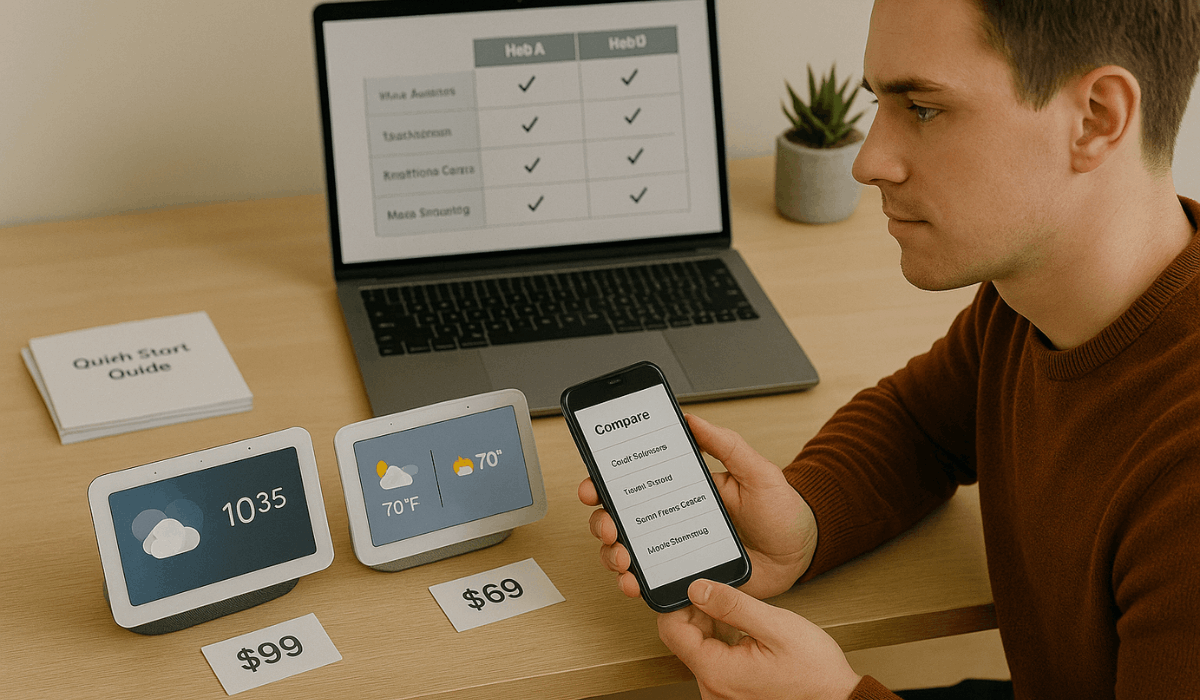
When shopping for a hub, you need to balance features with price. Paying more doesn’t always mean better value, and cheaper options may lack essential functions.
- Basic Hubs: Affordable, control essential devices, limited automation features.
- Mid-Range Hubs: Moderate price, better compatibility, more automation, and app options.
- High-End Hubs: Expensive, supports advanced automation, voice assistants, and wider device integration.
- Refurbished or Open-Box Units: Lower price, can include features of higher-end models, but check the warranty.
- Bundle Deals: Sometimes mid-range hubs come with extra devices at a discounted price, increasing value.
- Discounted Seasonal Models: Older versions may cost less but still offer essential features for most users.
Refurbished vs. New Smart Home Hubs
When buying this device, you can choose between new and refurbished units. Understanding the differences helps you decide which option gives the best value and reliability.
- New Hubs: Come directly from the manufacturer, unused, with full warranty and the latest software.
- Refurbished Hubs: Previously used or returned, inspected, repaired if needed, and sold at a lower price.
- Cost Difference: Refurbished units are usually cheaper, sometimes 20–40% less than new ones.
- Warranty: New hubs have a full manufacturer’s warranty; refurbished hubs may have a limited or seller-provided warranty.
- Condition and Reliability: New units are guaranteed perfect; refurbished units are tested for functionality but may show minor wear.
- Availability: New hubs are widely available; refurbished stock depends on returns and repairs.
- Value Consideration: Refurbished can be a good deal if price is essential and the warranty is sufficient.
Shipping and Delivery Considerations
When buying a hub online, shipping and delivery matter. Considering these points ensures your device arrives safely and on time.
- Shipping Cost: Check if the retailer charges extra or offers free shipping.
- Delivery Time: Compare estimated delivery dates to get the hub when you need it.
- Tracking Options: Make sure the order can be tracked to track its status.
- Packaging: Confirm the hub will be well-packaged to prevent damage during transit.
- International Shipping: If ordering from another country, check customs fees and import taxes.
- Return Shipping: Know who pays for return shipping if the hub is defective or unwanted.
- Delivery Reliability: Consider retailers with a track record of on-time and safe deliveries.
Warranty, Returns, and Support
Before buying a hub online, check the warranty, returns, and support options. Knowing these details protects you if the device malfunctions or doesn’t meet expectations.
- Warranty Coverage: Ensure the hub has a manufacturer or seller warranty for repairs or replacements.
- Warranty Duration: Compare how extended coverage lasts, typically 1–2 years for new units.
- Return Policy: Check if the retailer accepts returns and the time frame for doing so.
- Refund or Exchange Options: Understand whether you can get a full refund, replacement, or store credit.
- Customer Support: Look for responsive support via phone, chat, or email for troubleshooting.
- Extended Warranty Options: Some sellers offer additional coverage for an extra cost.
- Repair Services: Confirm if repairs are handled by the manufacturer or third-party service centers.
The Bottomline
Finding a cheap hub online is possible if you compare features, prices, and seller reliability. Always check reviews, warranties, and delivery options before making a purchase.
Start shopping today at trusted online stores to secure the best deal for your home setup.